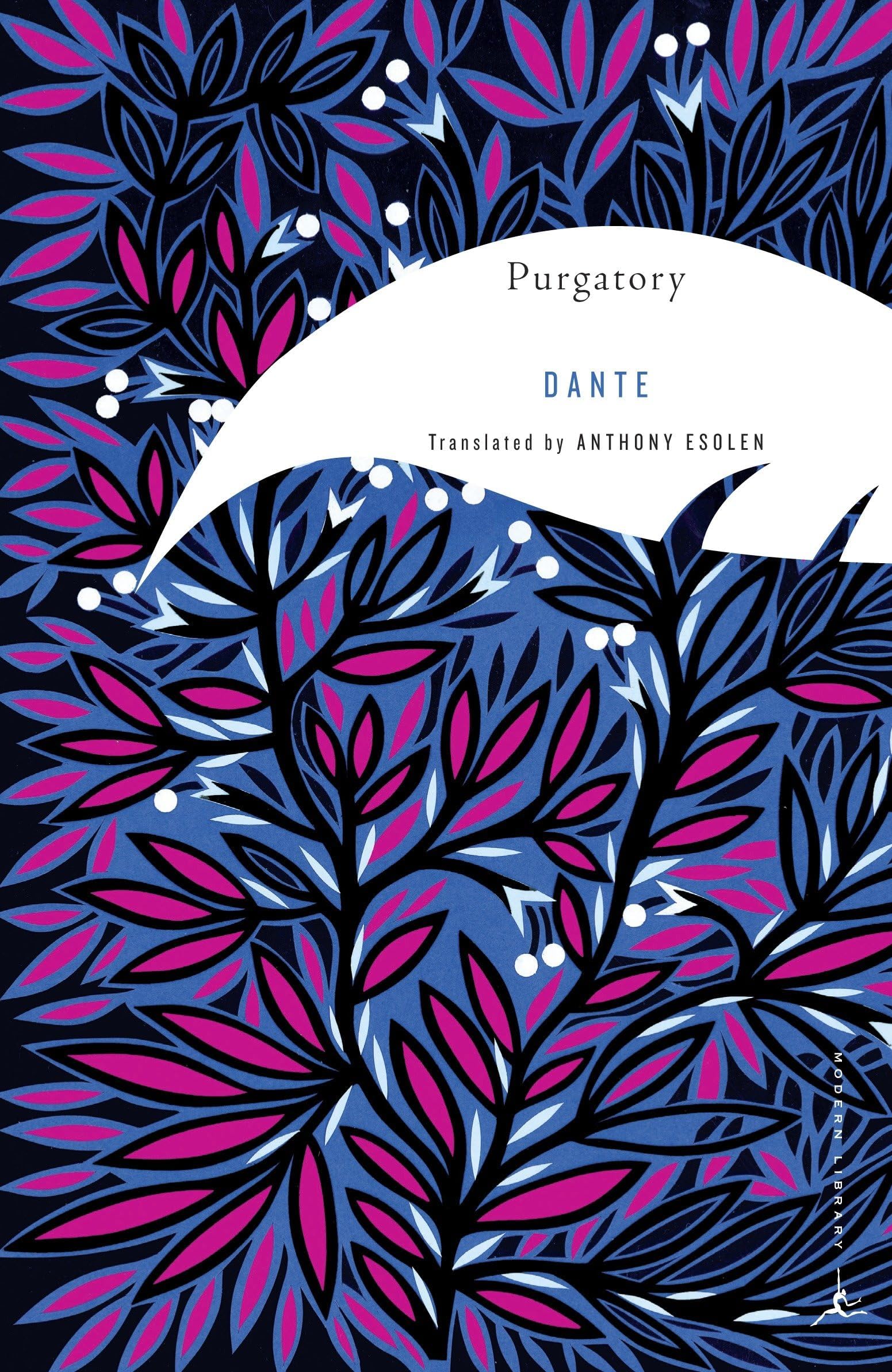

Purgatory (The Divine Comedy)
Product ID: 5455621
Desertcart purchases this item on your behalf and handles shipping, customs, and support to Poland.
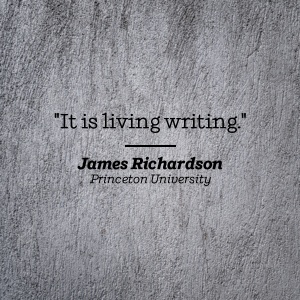
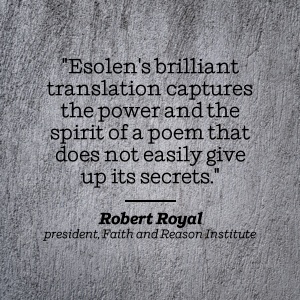
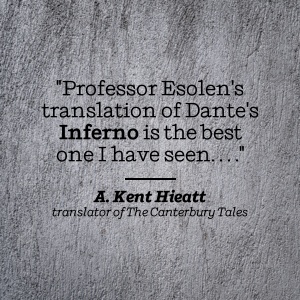
A new translation by Anthony Esolen Illustrations by Gustave Doré Written in the fourteenth century by Italian poet and philosopher Dante Alighieri, The Divine Comedy is arguably the greatest epic poem of all time—presenting Dante’s brilliant vision of the three realms of Christian afterlife: Inferno, Purgatory, and Paradise . In this second and perhaps most imaginative part of his masterwork, Dante struggles up the terraces of Mount Purgatory, still guided by Virgil, in a continuation of his difficult ascent to purity. Anthony Esolen’s acclaimed translation of Inferno, Princeton professor James Richardson said, “follows Dante through all his spectacular range, commanding where he is commanding, wrestling, as he does, with the density and darkness in language and in the soul. It is living writing.” This edition of Purgatory includes an appendix of key sources and extensive endnotes—an invaluable guide for both general readers and students. Review: Best Dante Translation Available - Anthony Esolen did a most excellent job translating. He captures the spirit of the text with a faithful rendering into an English that has grace and flow. He manages to break out of the stodgy translations I had when I was younger, but he didn't make the mistake of trying to make it too colloquial. He hits the mark perfectly. I suspect his Catholic devotion plays a significant role in his ability to bring the Inferno to us as it really is, without the irony of post-modernism--the text qua text--and it is a learning experience on at least two levels. One, you get to hear what good, epic poetry is supposed to sound like read aloud. Second, it is a living, breathing catechism of sorts. I know it's a bold claim, but I think it's the best translation of Dante out there. In terms of physical quality: sturdy paperback, thick paper, readable font. Great price for the volume. Review: Great Understanding, Artistry, and Depth - Many readers enjoy the Inferno but proceed no farther. Late in the Inferno (canto xxx), Virgil admonishes Dante to stop watching and enjoying the brawling damned. Rather than fixate on the entertainment of hell, readers also should lift their attention and go with the poets to Purgatory. The Purgatorio "is arguably the product of Dante's most brilliant poetic conception," Esolen says, because although "there were visions of Hell before Dante's, however far they fall short of his[, t]here were no visions of Purgatory." Dante captures well the meaning of the doctrine of Purgatory, the efficacy or prayers for the dead, and joyful suffering, portraying them with great understanding, artistry, and depth. Esolen's notes are respectful and explanatory, complementing and complimenting Dante. Purgatory is an easier read than is the Inferno, and it should be as we move from the heavy darkness of hell into the light. While Esolen's translation of the Inferno would have benefited from a schematic of hell, the ascent of Mount Purgatorio is more easily visualized and needs no such aid. I found The Dore Illustrations for Dante's Divine Comedy (136 Plates by Gustave Dore) (a few small examples from Dore are in Esolen's volume) a valuable aid in reading the Inferno, but the illustrations added less benefit to Purgatory; the black and white illustrations that helped capture the sense of the darkness in hell were even a bit of a handicap when considering the symbolism of the colors in Purgatory. I wouldn't however go as far as Ciardi did in his translation, where he cautions readers "to visualize Dante's scenes in terms of Dante's own details rather than in terms of Dore's romantic misconceptions." (Ciardi note to Canto xiii, l. 61-66.) Permit me a quibble. In his note to canto xxiv, l. 124-125, Esolen says that when Gideon separated his troops at God's instruction before routing the Midians, those who cupped their hands to drink were sent away and that those who lapped like dogs were selected. But Judges 7:4-7 says that those who cupped their hands were the same ones who lapped like dogs and were the ones selected; those who were sent away were those who knelt or laid down to drink.
| Best Sellers Rank | #58,411 in Books ( See Top 100 in Books ) #67 in Ancient & Classical Poetry #105 in Epic Poetry (Books) #1,818 in Classic Literature & Fiction |
| Customer Reviews | 4.8 out of 5 stars 254 Reviews |
M**S
Best Dante Translation Available
Anthony Esolen did a most excellent job translating. He captures the spirit of the text with a faithful rendering into an English that has grace and flow. He manages to break out of the stodgy translations I had when I was younger, but he didn't make the mistake of trying to make it too colloquial. He hits the mark perfectly. I suspect his Catholic devotion plays a significant role in his ability to bring the Inferno to us as it really is, without the irony of post-modernism--the text qua text--and it is a learning experience on at least two levels. One, you get to hear what good, epic poetry is supposed to sound like read aloud. Second, it is a living, breathing catechism of sorts. I know it's a bold claim, but I think it's the best translation of Dante out there. In terms of physical quality: sturdy paperback, thick paper, readable font. Great price for the volume.
J**.
Great Understanding, Artistry, and Depth
Many readers enjoy the Inferno but proceed no farther. Late in the Inferno (canto xxx), Virgil admonishes Dante to stop watching and enjoying the brawling damned. Rather than fixate on the entertainment of hell, readers also should lift their attention and go with the poets to Purgatory. The Purgatorio "is arguably the product of Dante's most brilliant poetic conception," Esolen says, because although "there were visions of Hell before Dante's, however far they fall short of his[, t]here were no visions of Purgatory." Dante captures well the meaning of the doctrine of Purgatory, the efficacy or prayers for the dead, and joyful suffering, portraying them with great understanding, artistry, and depth. Esolen's notes are respectful and explanatory, complementing and complimenting Dante. Purgatory is an easier read than is the Inferno, and it should be as we move from the heavy darkness of hell into the light. While Esolen's translation of the Inferno would have benefited from a schematic of hell, the ascent of Mount Purgatorio is more easily visualized and needs no such aid. I found The Dore Illustrations for Dante's Divine Comedy (136 Plates by Gustave Dore) (a few small examples from Dore are in Esolen's volume) a valuable aid in reading the Inferno, but the illustrations added less benefit to Purgatory; the black and white illustrations that helped capture the sense of the darkness in hell were even a bit of a handicap when considering the symbolism of the colors in Purgatory. I wouldn't however go as far as Ciardi did in his translation, where he cautions readers "to visualize Dante's scenes in terms of Dante's own details rather than in terms of Dore's romantic misconceptions." (Ciardi note to Canto xiii, l. 61-66.) Permit me a quibble. In his note to canto xxiv, l. 124-125, Esolen says that when Gideon separated his troops at God's instruction before routing the Midians, those who cupped their hands to drink were sent away and that those who lapped like dogs were selected. But Judges 7:4-7 says that those who cupped their hands were the same ones who lapped like dogs and were the ones selected; those who were sent away were those who knelt or laid down to drink.
D**N
Great Translation
This is a wonderful translation of the Purgatorio, with Italian facing English. Esolen's translations of the Inferno and Paradiso are also excellent.
E**.
An excellent translation of Dante's Divine Comedy
If I'm being honest, I like this part of the Divine Comedy the most, and Anthony Esolen's translation definitely helped me understand it better. Dante's masterwork of a poem is not only formidably long, but also dense in allusion, and while I understood probably 95% of the classical side of that, I was quite lost on the implications of the internecine Florentine politics he was so much a part of. That's where Esolen's extensive footnotes and appendices helped shed light. I highly recommend this translation.
M**K
Good quality
Item was used, but high quality. This is the best translation, and it has the Italian and English side by side.
L**C
Four Stars
This is a good version though im not a huge fan of the layout.
B**H
Nice translation with very helpful notes
This was an excellent version of Purgatory. It was very readable, and I found the extensive notes on each canto to be very helpful. My questions were frequently answered there, like how Cato got into purgatory while Virgil was excluded. I liked that the translator didn't force everything into an awkward rhyme, although there were many rhyming lines. He decided to do rhymes when they worked but not to force it and instead stick with the original meter. That choice worked very well. Purgatory isn't exactly a quick read, but this translation was comparatively quick. I was able to move through it at a good pace because it was so readable.
S**Y
Esolen's beautiful translation of Dante's Divine Comedy (I am copying this ...
A friend and I read the whole of Dr. Esolen's beautiful translation of Dante's Divine Comedy (I am copying this review to the other two canticles) over a few months, along with the DVD lecture series on it that Dr. Esolen has made, which is available through different vendors. I HIGHLY recommend the project to anyone, particularly Catholics, because while the footnotes and endnotes are outstanding, the lecture series really brings it home to our lives and spirituality. We did this exercise because Bishop Barron had commented how fruitful the Divine Comedy was for his spiritual life and ministry. Having a lecture series and set of matching translations by a consummate scholar and faithful Catholic, who translated Dante's great Catholic opus into a work that can be appreciated by today's students, is a precious pearl beyond price, and I am so grateful I was able to have and use it. (The OCD in me wishes that the books had coordinated covers, but I don't judge a book by its cover!)
M**F
classical
classical
Trustpilot
2 weeks ago
2 months ago