
DOWNLOAD THE APP


Customer Services
Copyright © 2025 Desertcart Holdings Limited
DOWNLOAD THE APP
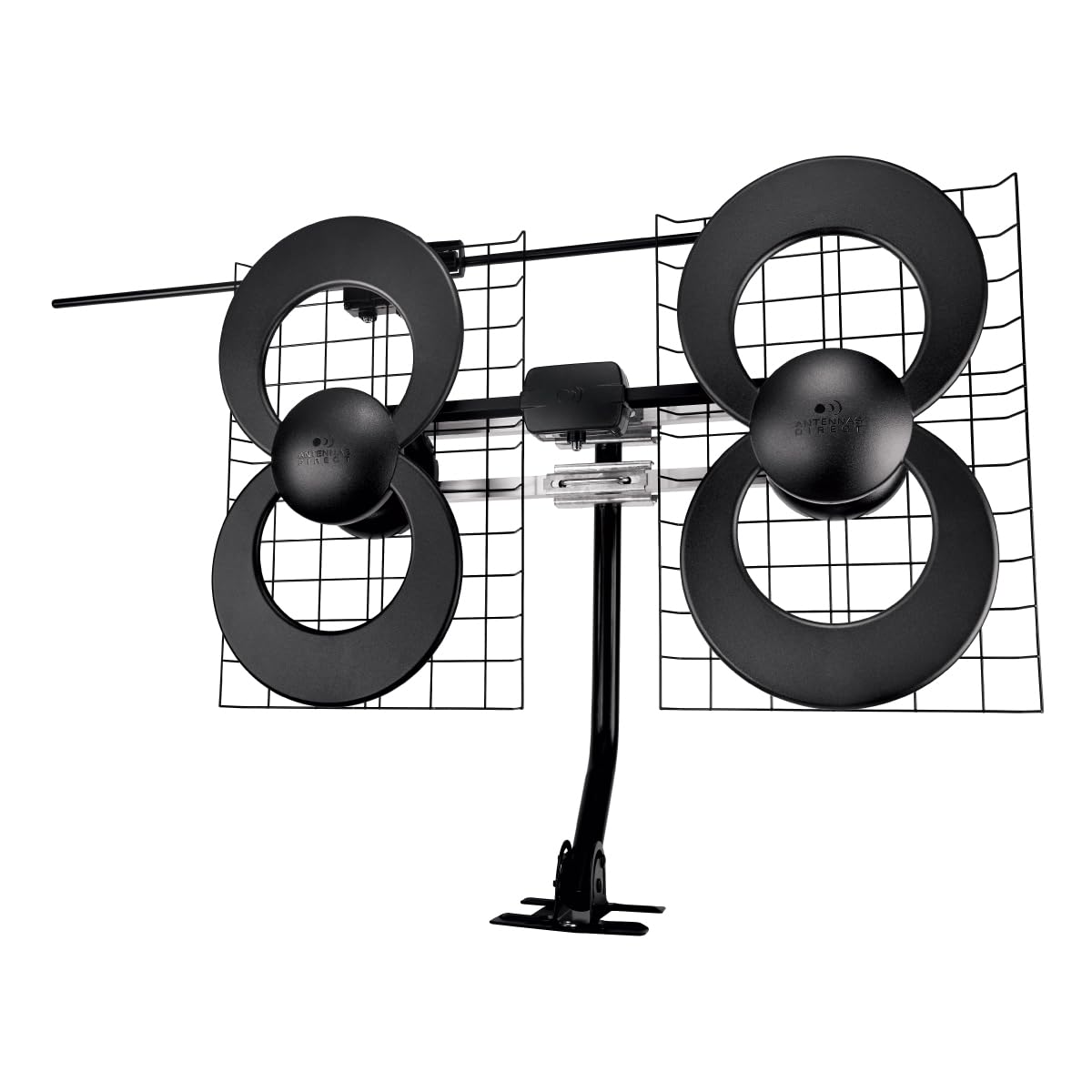
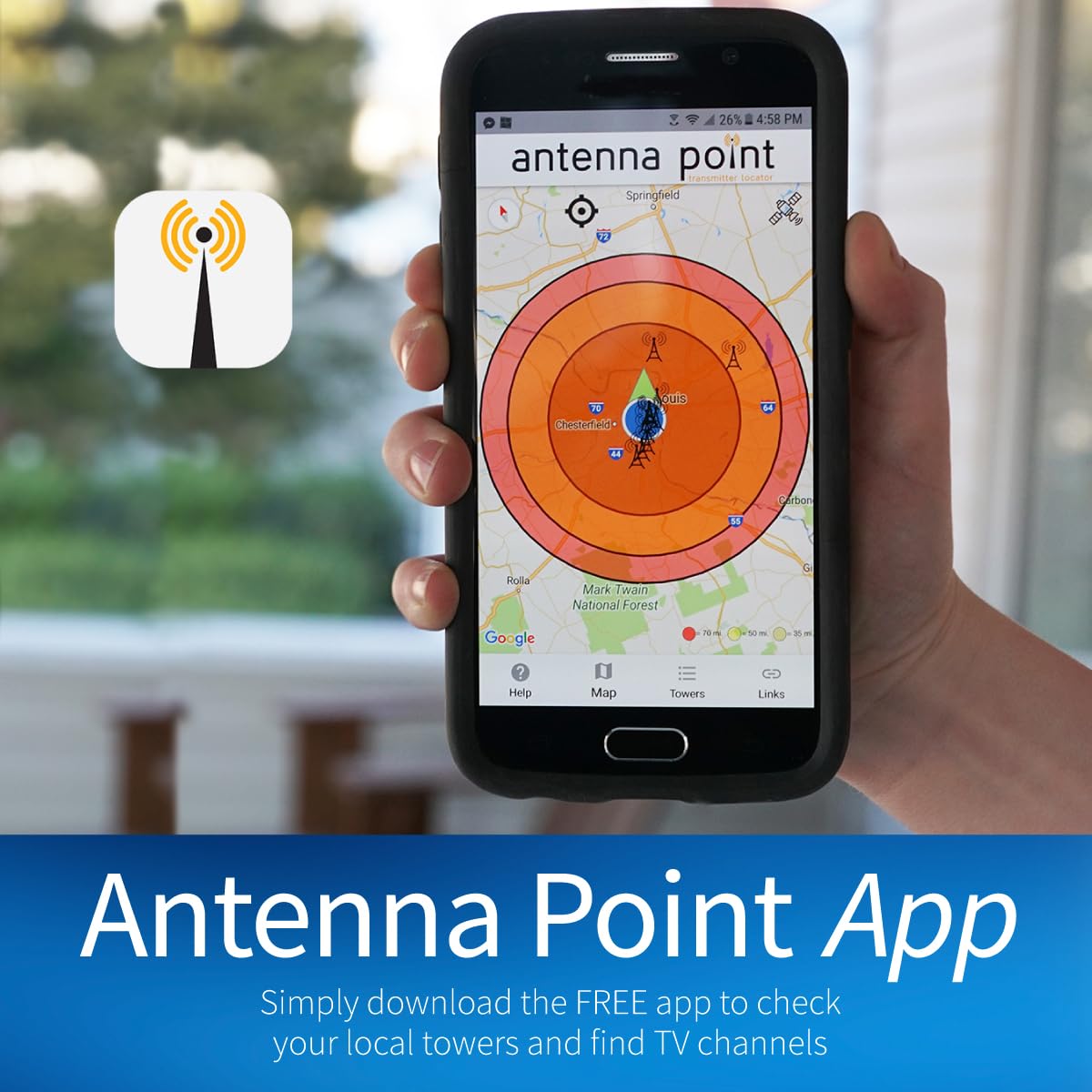
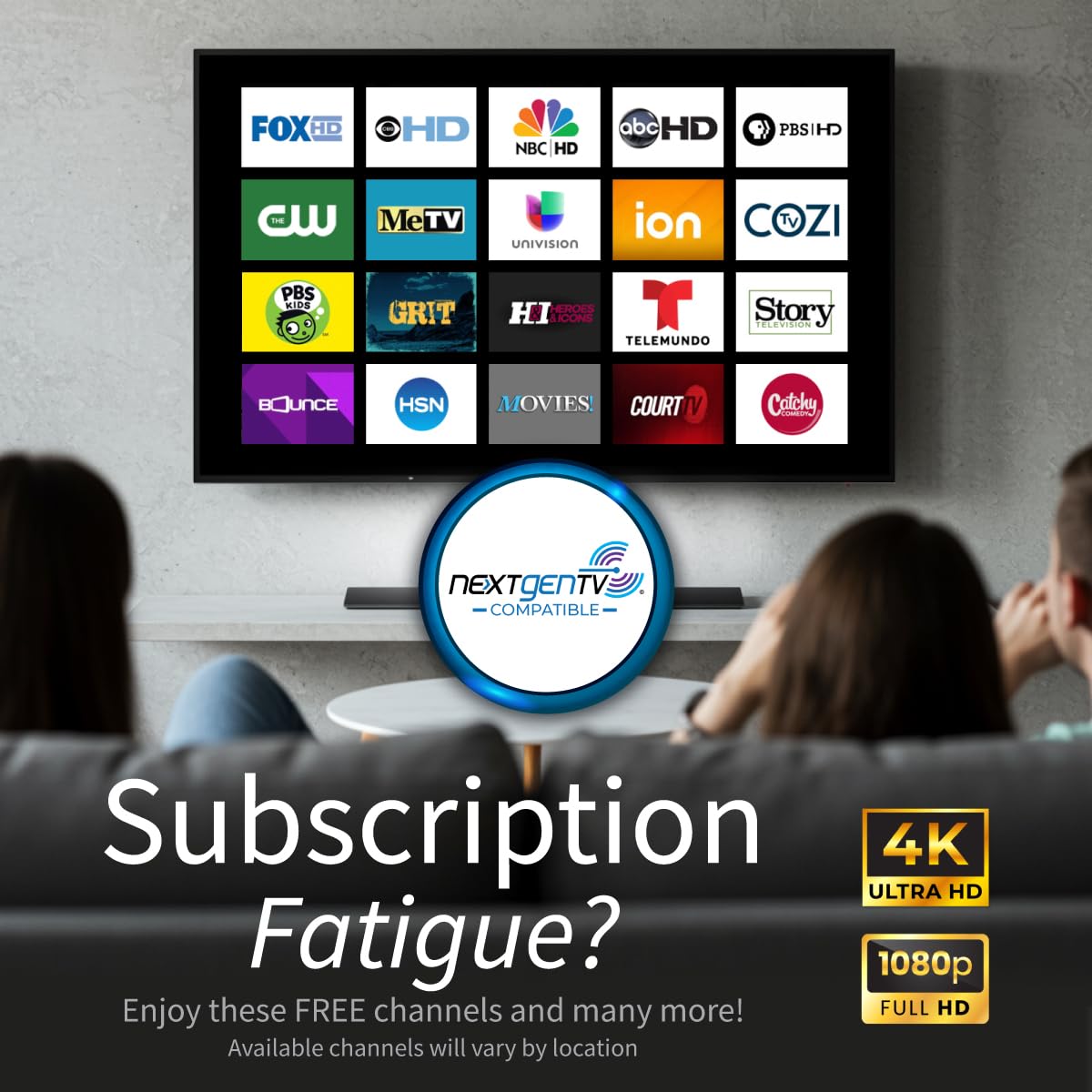
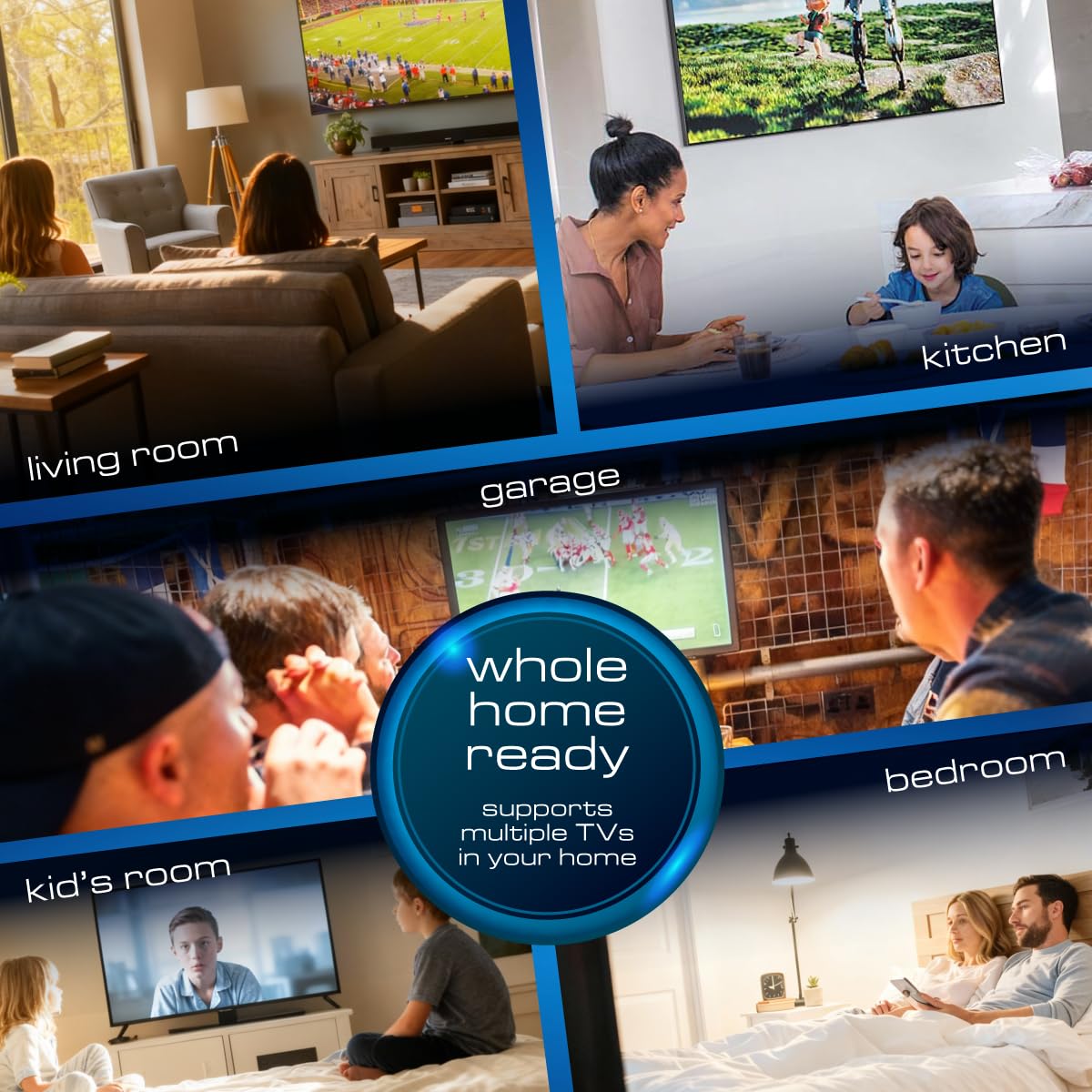



📺 Elevate your binge game—never miss a moment with ClearStream 4V!
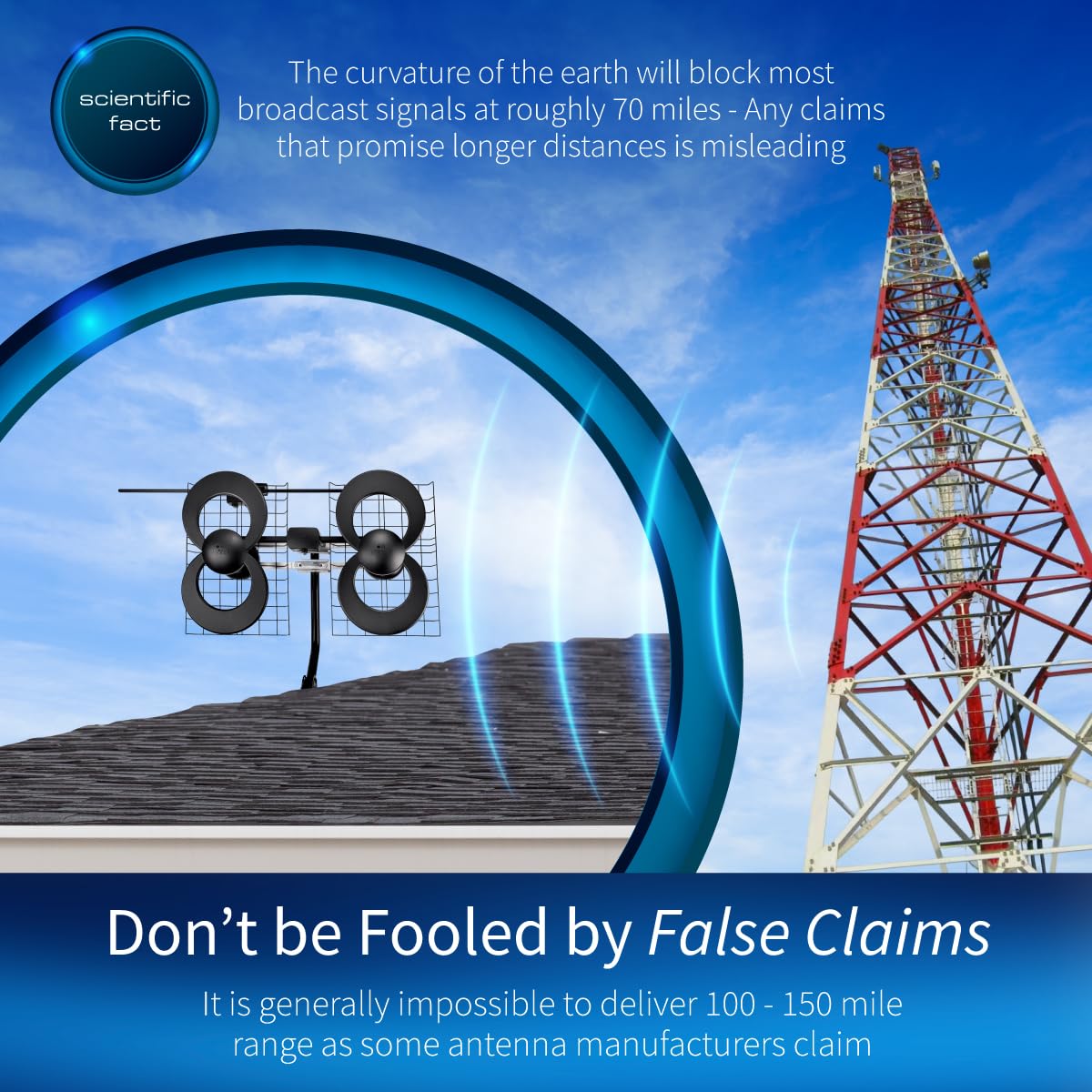
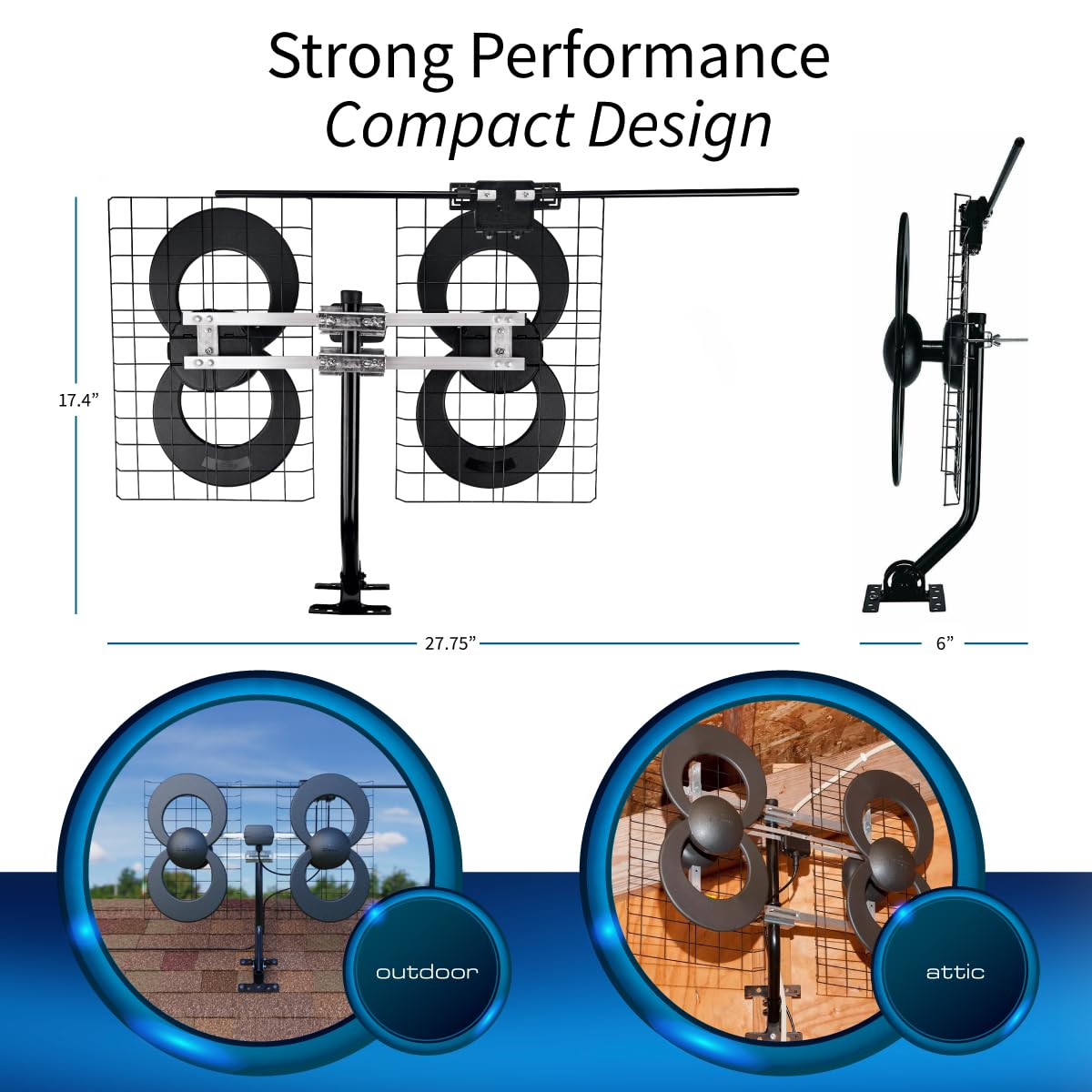
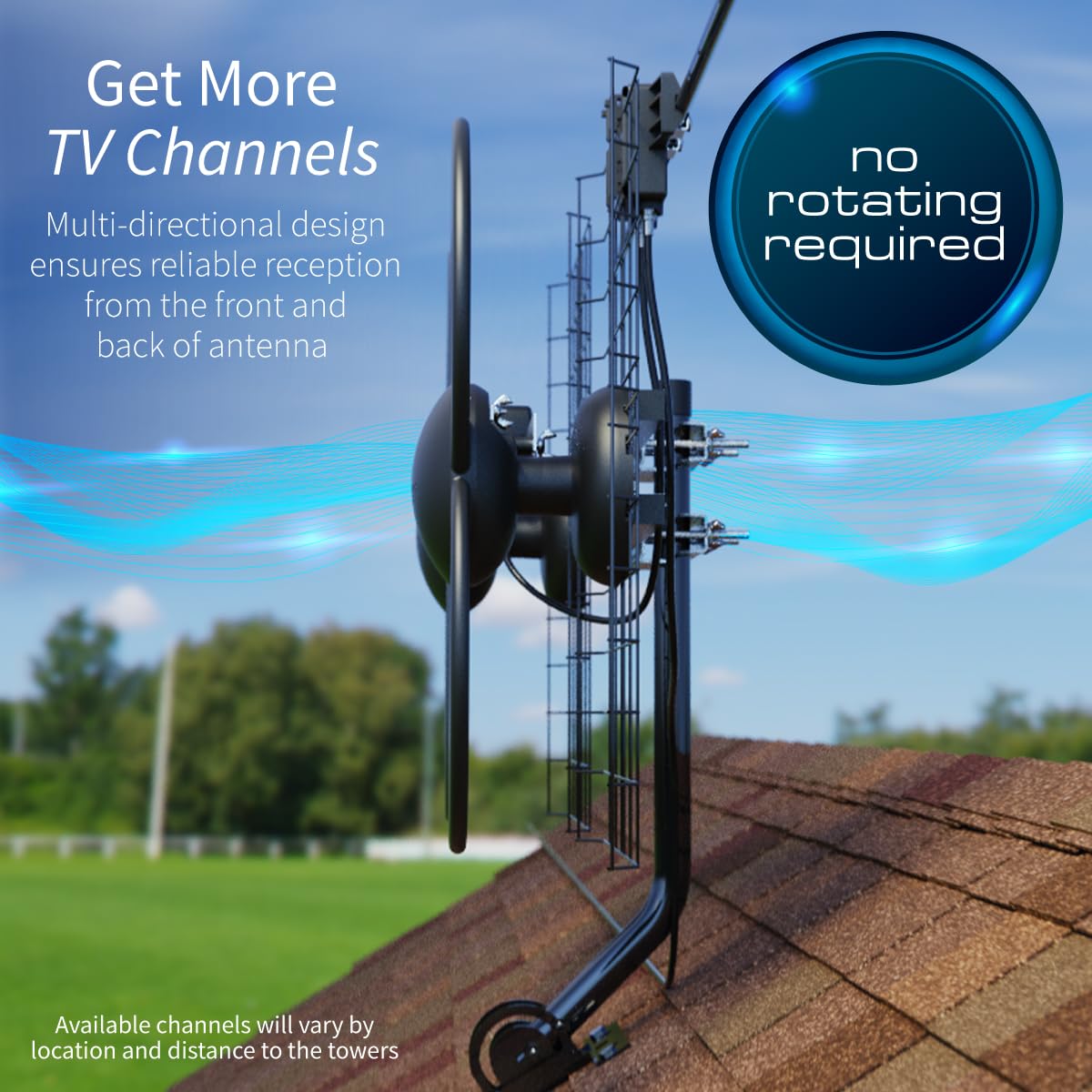
The Antennas Direct ClearStream 4V is a high-performance indoor/outdoor TV antenna engineered to capture free HDTV signals from over 70 miles away. Featuring patented four-loop technology and reflectors for enhanced signal focus, it delivers interference-resistant reception of UHF and Hi-VHF channels. Compatible with 4K, 8K UHD, and NEXTGEN TV standards, it includes a versatile pivoting mast and all-weather mounting hardware for flexible installation. Designed for suburban and rural environments, this durable antenna offers a lifetime warranty and a reliable cord-cutting solution for professional millennials seeking premium, cost-effective TV access.


| ASIN | B00SVNKT86 |
| Item model number | C4-V-CJM |
| Manufacturer | Antennas Direct Inc. |
| Product Dimensions | 70.61 x 15.24 x 44.2 cm; 1.86 kg |
L**H
Never owned a better attenna will recommend it to everyone
A**R
The 2V antenna was initially placed indoors next to the tv. . Even though the Mount-Royal mountain is in the pathway of certain US transmitters preventing me from getting those channels, I was able to receive 10 local channels and 3 US channels situated at a 55 mile distance to the south, and the image was crystal clear . Then I had the antenna installed on the roof combined to a Channel Master CM-7777HD TV Antenna Amplifier, on low gain, now I have a total of 15 US channels in addition to the 10 local ones and reception for the majority is excellent. After one year of use, I am quite satisfied, but decided to upgrade to the 4V in order get a more stable picture on the on the channels with a weaker signal. The 4V was installed in the exact same location as the 2V by a professional installer on the roof and it basically lost all the US channels. For some reason the 2V greatly outperformed the 4V, therefore the 2V was placed back on the roof and the 4V sent back. Even the installer had no clear explanation as to why the 4V was unable to perform as well as the 2V, either it was defective or it captured more noise from the surrounding cell towers and completely lost the weaker signals.
S**R
This antenna worked great for my location, and I was able to pick up 70 channels. I was able to mount in my attic and pick up the expected stations. In my area, the UHF channels are primarily in single direction, while the VHF stations are spread out. I was also lucky that the stations are located so I can point out the side of my house instead of through the roof. Rather than mounting the VHF antenna on the grid, I used some spare PVC pipe and zip ties to point it in a direction that worked best for the VHF stations. As you can see in the photo, I mounted the antenna upside down to get the more length out of the included coax between the the UHF and VHF antennas (I would not do this outside). All that said, this may not work in your situation. First check on the rabbitears.info website to see what stations and what power levels you have at your location. As noted, most of the UHF transmitters are in the same direction about 35 miles away, so it worked really well for me. The major stations have very strong signal strength/quality according to my TV tuner, and I do not see any drop outs. The website tells you the signal margin for the stations -- the lower the number, the less likely you are to pick it up. The lowest power station I picked up was 5dB signal margin, with the antenna pointed at it. There was another station listed in the same direction with the same signal margin, but I could not pick it up -- the rabbitears site, may be slightly out of date (but not as bad as TVfool). I may have been able to do better with a roof mount. If your area has poor signal margin and stations spread out in multiple directions, this may not be for you. If the signal margin is good, then you can use the direction on the website to help point the antenna towards the transmitters. (Note: I was looking at TVFool, but as of Sept 2022, the information in my area is out of date, with many stations listed on the wrong RF channel). With the stations, you'll want to note the difference between VHF (RF channel 2-13) and UHF (RF channel 14+), and the difference between RF channel (what the frequency the channel actually on) and display channel (what shows up on your TV). Your local NBC 8, might really be transmitting on RF channel 25. This is important for pointing your antennas and figuring out if this will work for you. The UHF channels use the round antennas with the grid, and the VHF antenna is the separate part with two horizontal elements. You can attach the VHF antenna to the grid behind the UHF antennas, or you can mount in separately. The VHF antenna will give the best reception perpendicular to the elements (both in front and out back). Depending on your location, you may need to point it between two transmitters to pick up both, or you may only be able to pick up one or the other. As far as stations go, you'll see a lot of reviews of people who get dozens of channels -- I picked up 70. However, you'll want to be realistic about what you are really getting. The major networks will typically transmit in HD and may look even better than the compressed version you get on cable. They will also have some extra sub-channels that are in standard definition. These can be hit or miss. Some of them look pretty good/sharp, while others are overly compressed and look like a blurry old VHS tape. This is on the TV station, not the transmitter -- with digital TV you either pick up the station or you don't (with a small part in between where it is blocky/jumpy). Beyond quality, there is content. Out of the 70 stations I pick up, many of them don't interest me personally -- I don't watch the 5 shopping channels I pick up. I also have several duplicate sub-channels, so those don't really count. So if you are thinking about cutting the cable cord, take a look through the websites of the channels you are likely to pick up and see if they are really of interest. You might really be left with PBS (plus a couple of subchannels), the major networks (ABC, NBC, CBS, FOX), then a bunch of things you may or may not watch depending on interest (ION, CW, ME-TV, GRIT, Bounce, Defy, COMET, LAFF, QVC, HSN).
M**N
After a move of mine to the "suburbs" the indoor antenna I had used for more than 15 years would only pick up 2 TV channels, so I opted for this one from Antennas Direct. I was very pleased to discover that I now receive 44 TV channels with perfect reception, excellent picture clarity, and very little weather interference to the picture. The only interference I have seen is when the occasional airplane passes overhead near to my residence. I couldn't be more pleased with this antenna!
P**L
We're in Montreal and we're picking up stations from Burlington Vermont. We installed it on the roof of our three story building. It was pretty easy to assemble and install. It's sturdy and we're getting crystal clear signals, both from the nearby VHF and the distant UHF. We went from about 7 channels with 1 or 2 intermittent ones, to a whopping 29 channels (that's including the "sub-channels"). Very happy with the purchase so far. Looking forward to seeing how it holds up in the Montreal winter.
Trustpilot
2 months ago
1 month ago